Do carbon steel pans have a coating? No, they lack synthetic coatings and instead develop a natural non-stick seasoning layer over time. In this guide, ChopChop USA explains how carbon steel works, what makes it naturally non-stick, and why many cooks prefer it.
What Is the Cooking Surface of a Carbon Steel Pan?

Carbon steel cookware is made from a simple yet effective combination of iron and carbon. Unlike many modern pans, it does not come with a factory-applied chemical layer. This is why so many people ask, do carbon steel pans have a coating, especially when comparing them to non-stick alternatives.
The cooking surface of carbon steel starts as bare metal. Over time, it develops a layer known as seasoning. This seasoning forms when oil is heated and bonds to the surface, creating a natural barrier that improves food release and protects the pan.
Because of this, the surface evolves with use. Instead of wearing out like synthetic coatings, it becomes more effective the more you cook. This is a key reason why professional chefs and experienced home cooks favor carbon steel cookware.
Do Carbon Steel Pans Have a Coating? (Full Explanation)

So, do carbon steel pans have a coating? Technically, they do not come with a manufactured coating like Teflon or ceramic. However, they develop a natural coating through seasoning.
This distinction matters. When people ask, do carbon steel pans have a coating, they are usually referring to artificial, factory-applied layers. Carbon steel avoids these entirely. Instead, it relies on oil that has been heated and polymerized into a durable, non-stick surface.
Another important question is: do carbon steel pans have pfas? The answer is no. Since there is no synthetic coating involved, carbon steel pans do not contain PFAS or similar chemicals.
Over time, repeated cooking builds up layers of seasoning, forming a dark patina. This natural coating improves performance and durability. So while the answer to do carbon steel pans have a coating is no in the traditional sense, they do develop one naturally through use.
This makes carbon steel a unique option: it combines the benefits of non-stick cooking without relying on chemical coatings that can degrade.
Benefits Beyond Non-Stick

While many people focus on whether do carbon steel pans have a coating, the benefits go far beyond the cooking surface.
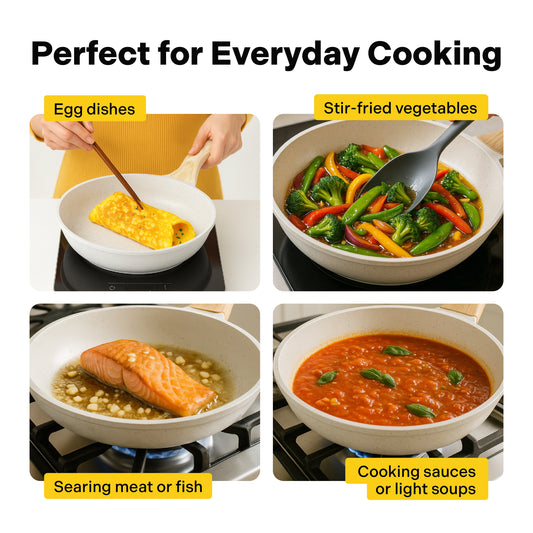
One of the biggest advantages is heat control. Carbon steel heats quickly and responds instantly to temperature changes, allowing precise cooking. This is ideal for techniques like searing, frying, and sautéing.
Durability is another major benefit. Since there is no synthetic coating to wear out, carbon steel pans can last for decades. With proper care, they often perform better over time rather than deteriorating.
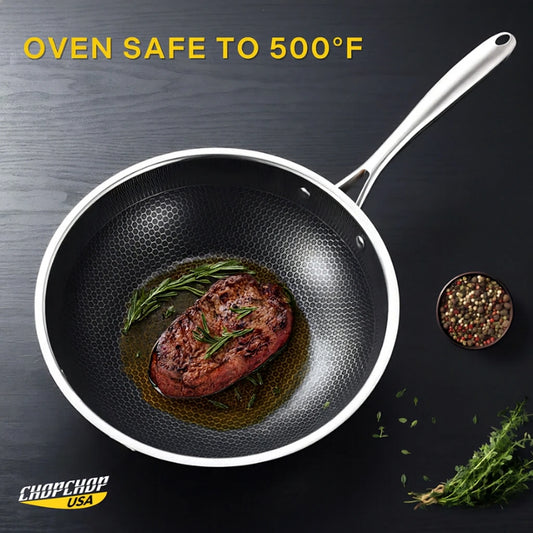
They are also highly versatile. Carbon steel works on gas, electric, and induction cooktops, and it can handle high oven temperatures without damage.
Additionally, many people choose carbon steel for health reasons. Since the answer to do carbon steel pans have a coating is no, there is no concern about chemical breakdown during cooking.
Carbon Steel vs. Traditional Non-Stick: Key Differences

When comparing cookware, many people ask: do carbon steel pans have a coating and how do they differ from traditional non-stick options? Understanding these differences helps you choose the right pan for your cooking style, safety preferences, and long-term value.
|
Category |
Carbon Steel |
Traditional Non-Stick |
|
Construction Materials |
Made from iron and carbon with no synthetic layer |
Typically aluminum with a chemical coating |
|
Cooking Surface |
Develops a natural seasoning over time |
Uses factory-applied non-stick coating |
|
Care and Maintenance |
Requires seasoning and proper drying |
Easier at first but coating degrades |
|
Cooking Capabilities |
Handles very high heat for searing and browning |
Limited to low–medium heat to protect coating |
|
Durability |
Can last decades or a lifetime |
Usually lasts a few years before wearing out |
|
Ease of Use |
Improves with use and seasoning |
Very easy initially but declines over time |
|
Heat Conductivity |
Heats quickly and evenly with great control |
Moderate heat distribution depending on material |
Carbon steel stands out for its durability, heat performance, and natural cooking surface. If you’re wondering do carbon steel pans have a coating, the answer highlights their biggest advantage—no synthetic layer, just long-lasting, naturally developed performance.
Are Carbon Steel Pans Safe to Cook On?

Yes, carbon steel pans are widely considered safe. One of the main reasons is that they do not rely on synthetic coatings.
When people ask, do carbon steel pans have a coating, safety is often their main concern. Since there is no artificial layer, there is no risk of chemical breakdown at high temperatures.
Another related concern is do carbon steel pans have pfas. Again, the answer is no. This makes carbon steel a preferred option for those looking to avoid potentially harmful substances.
The seasoning layer itself is made from natural oils, forming a safe and effective cooking surface. As long as the pan is properly maintained, it remains a reliable and healthy choice for everyday cooking.
How Seasoning Creates a Natural Non-Stick Surface?

Understanding seasoning is key to understanding carbon steel. Instead of only asking do carbon steel pans have a coating, it’s more helpful to see how that coating is naturally created.
Step 1: Apply Oil to the Surface
A thin layer of oil is applied to the pan. This oil acts as the base for building the non-stick layer.
Step 2: Heat the Pan
When the pan is heated, the oil begins to break down under high temperature.
Step 3: Polymerization Occurs
The heated oil undergoes polymerization, transforming from a liquid into a solid, plastic-like layer that bonds tightly to the metal.
Step 4: Layer Builds Over Time
With repeated cooking, more layers form, creating a smooth, dark patina that improves non-stick performance.
Step 5: Natural Non-Stick Performance Develops
This built-up seasoning becomes the pan’s natural non-stick surface, allowing food to release more easily.
Step 6: Easy to Maintain and Restore
Unlike synthetic coatings, this layer does not peel or flake. If needed, it can be easily restored by re-seasoning the pan.
Maintenance for Long-Lasting Non-Stick Performance

Maintaining carbon steel is simple but essential:
- Wash with warm water and minimal soap
- Dry immediately to prevent rust
- Apply a thin layer of oil after use
- Avoid soaking or leaving moisture
Regular use helps the pan develop a stronger non-stick surface over time.
This reinforces the idea that do carbon steel pans have a coating—yes, but it’s a natural one you build yourself.
Why Choose the ChopChop USA Carbon Steel Pan?

ChopChop USA Carbon Steel Pan
Limited-Time Offer — Get Free Gifts
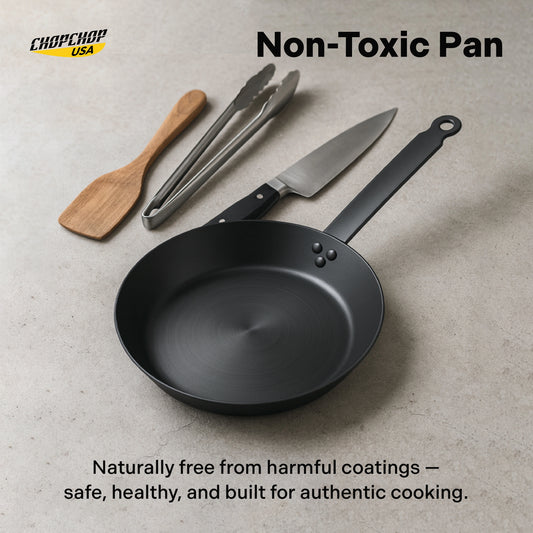
The ChopChop USA Carbon Steel Pan is a professional-style cookware piece designed for both home cooks and chefs. Made from premium carbon steel, it combines durability, fast heat response, and natural non-stick performance for versatile everyday cooking.
Key Features
- Professional Cooking Performance: High-quality carbon steel delivers excellent heat control for searing, frying, sautéing, and stir-frying with consistent, restaurant-quality results.
- Fast and Even Heating: Heats quickly and distributes heat evenly, responding instantly to temperature changes for precise cooking control.
- Natural Non-Stick Surface: Builds a seasoning layer over time, improving food release without synthetic coatings.
- Durable and Long-Lasting: Strong construction withstands high heat and daily use, lasting for years with proper care.
- Lightweight Yet Strong: Lighter than cast iron while maintaining strength and performance.
-
Versatile Cooking Use: Compatible with gas, electric, induction, and oven cooking.
Main Benefits
- No chemical coatings for safer cooking
- Quick heat response for better control
- Natural non-stick surface that improves with use
- Easy maintenance with simple care routine
- Long-lasting durability without coating wear
- Lightweight design for comfortable handling
Choosing a pan like this answers the question do carbon steel pans have a coating in a practical way—you get excellent performance without relying on synthetic materials.
Conclusion
Carbon steel pans offer natural performance without synthetic coatings. ChopChop USA provides a durable, safe option that improves with time, making it ideal for everyday cooking without chemical concerns.
For more amazing cooking content, follow us on Facebook and Instagram! If you have any questions about ChopChop USA products or promotions, contact us anytime at support@chopchopusa.com. Our 24/7 team is always happy to help.
Frequently Asked Questions
1. Is There A Coating On Carbon Steel Pans?
Carbon steel pans do not have a synthetic coating. Instead, they develop a natural seasoning layer over time that improves non-stick performance and protects the surface.
2. Do Carbon Steel Pans Release Toxins?
No, carbon steel pans do not release toxins. Since they lack chemical coatings, they remain stable at high temperatures and are safe for everyday cooking.
3. Is Carbon Steel Safer Than Teflon?
Carbon steel is often considered safer because it does not rely on synthetic coatings. It performs well at high heat without the risk of releasing harmful substances.
4. Do Carbon Steel Pans Have PFAS?
No, carbon steel pans do not contain PFAS. Their non-stick properties come from natural seasoning rather than chemical coatings, making them a safer alternative.
5. How Long Does A Carbon Steel Pan Last?
With proper care, a carbon steel pan can last for decades or even a lifetime. Its durability comes from the absence of a synthetic coating that can wear out.